Public incident analysis. This piece examines a documented reporting failure in England’s COVID-19 case-reporting pipeline in early October 2020. Oscillate Infotech did not build, operate, repair, audit, or advise on that system, and has no non-public information about it. The confirmed figures below come from Public Health England’s published statement. Sections marked as independent analysis are Oscillate Infotech’s operational reading of those facts - not statements about unpublished internals.
Confirmed facts from the public record
Public Health England reported that a technical issue in the data-load process that moves positive laboratory results into reporting dashboards meant 15,841 cases between 25 September and 2 October 2020 were missing from the published daily totals. More than 75% of those cases (11,968) related to totals that should have appeared between 30 September and 2 October.
People still received their individual test results in the normal way. The failure was in the automated transfer into central reporting and contact-tracing feeds. Outstanding cases were transferred into the contact-tracing system by 1:00 a.m. on 3 October, with prioritisation after a public-health risk assessment.
PHE stated the technical cause: some files of positive results exceeded the maximum file size accepted by the load path into central systems. A mitigation that splits large files was put in place, and an end-to-end review was started.
Why capacity limits belong in production design
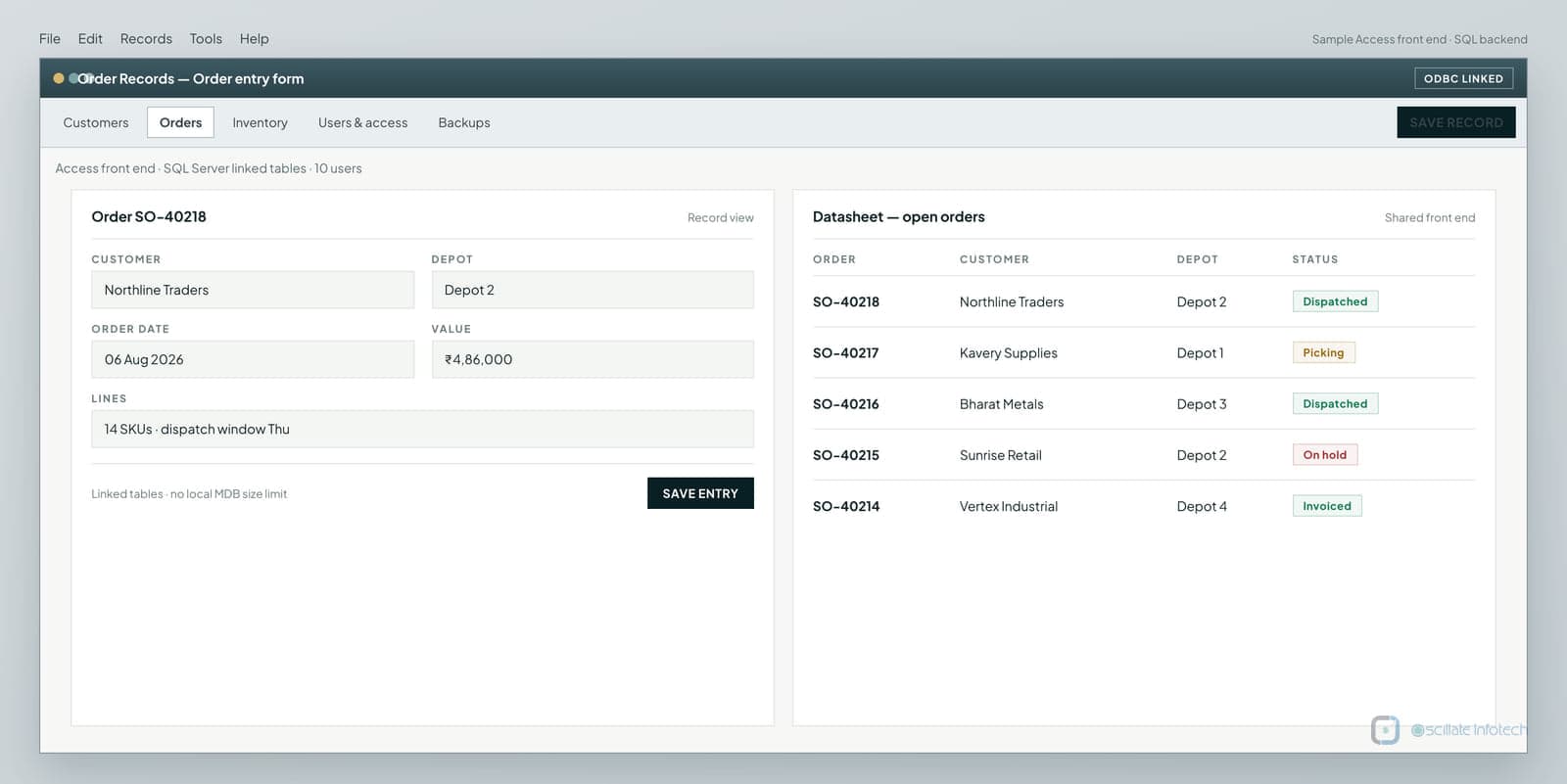
Independent analysis. Any workflow that packages operational records into files and hands them to a loader inherits hard limits: maximum size, maximum rows, timeout windows, and format quirks. Those limits are not “edge cases” once volume rises. They are part of the production contract.
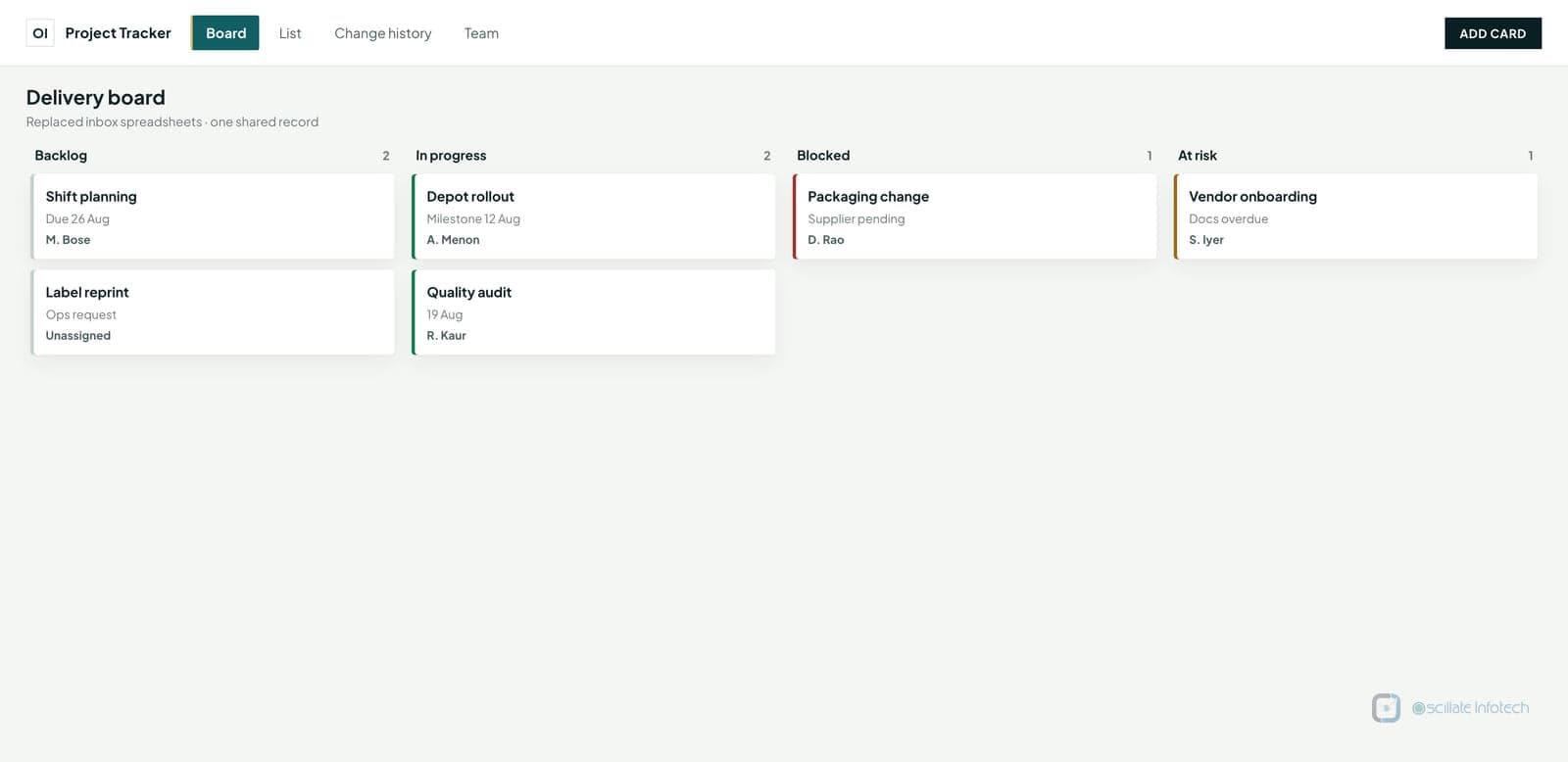
When the business treats a transfer template or overnight file drop as the system of record for downstream action, it has effectively promoted a batch file into a production interface - whether or not anyone named it that way.
Silent omission is worse than a loud failure
Independent analysis. A loader that rejects or truncates without a hard stop leaves operators with plausible totals that are simply incomplete. Contact-tracing and public dashboards then plan from understated demand. Visible crashes force attention; quiet shortfalls do not.
The operational question is not only “did the job run?” It is “did every expected record land, and can we prove it?”
Controls that change outcomes
Independent analysis tied to this pattern:
- Treat file-based hand-offs as capacity-bounded interfaces with documented limits.
- Reject or quarantine oversize inputs instead of partially loading them without alert.
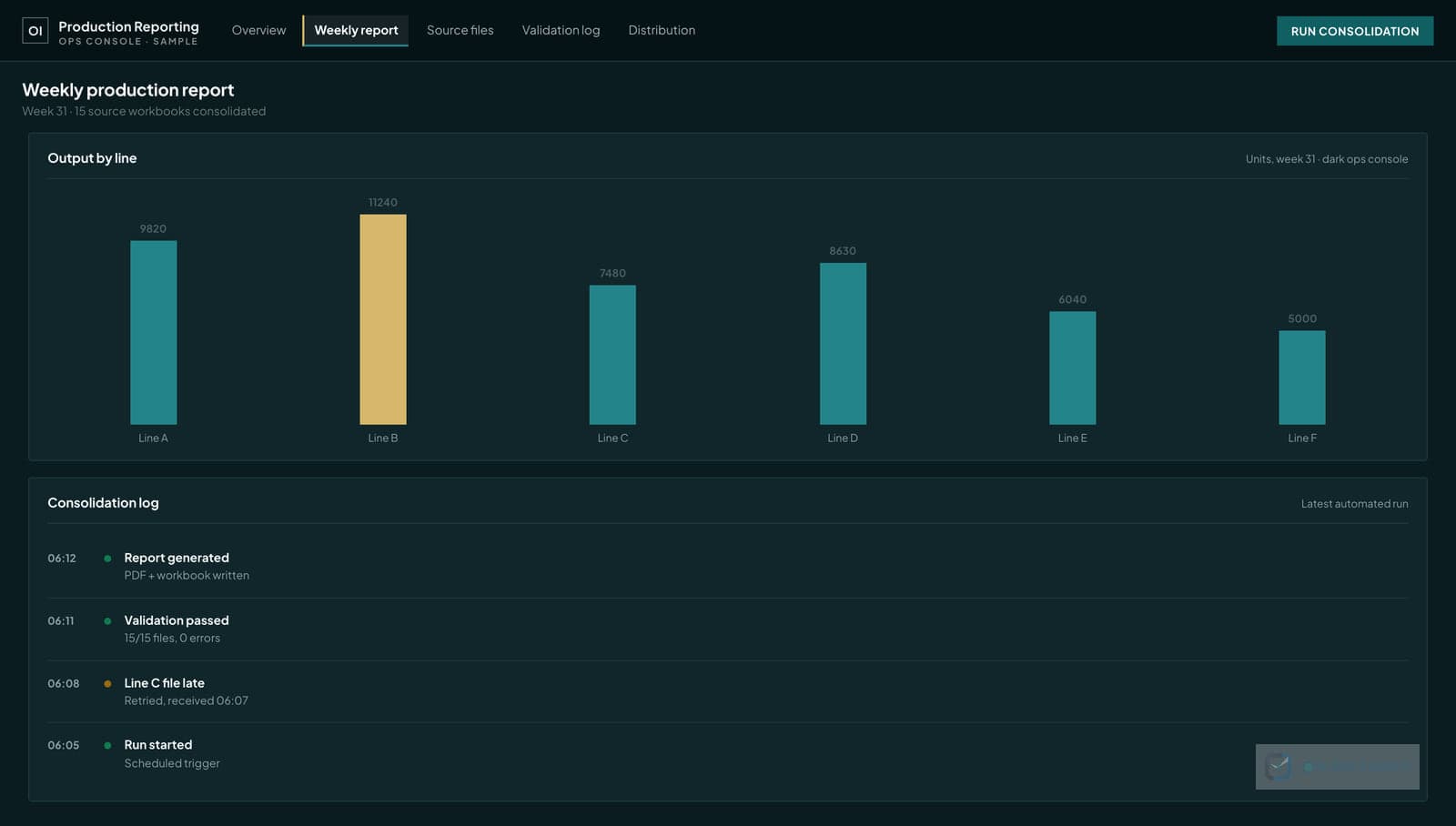
- Reconcile source counts to loaded counts every cycle; page humans on mismatch.
- Prefer streaming or chunked transfer when volumes are unbounded.
- Keep contact-tracing / downstream SLA clocks tied to load confirmation, not only to lab result delivery.
What smaller teams should verify
You do not need national scale to hit the same shape of failure. Finance close files, warehouse exports and partner EDI drops fail the same way when nobody checks row counts after load.
Our spreadsheet to web migration, Excel/VBA and data migration work starts from a blunt question: what happens when this file is larger tomorrow than it was yesterday?
Related reading: From Spreadsheets to Shared Systems.
How we assess similar workflows
Before trusting a file pipeline we ask:
- What is the hard capacity of the load path, and who owns monitoring it?
- How do we detect under-count without waiting for a complaint?
- Is “job succeeded” distinct from “all records reconciled”?
- What is the recovery path when a batch is late or partial?
Independently written and illustrated from documented public facts, with no third-party creative assets reproduced.
Sources
- Public Health England, PHE statement on delayed reporting of COVID-19 cases (GOV.UK, 4-5 October 2020) - 15,841 omitted cases (25 September-2 October 2020); 11,968 for 30 September-2 October; transfer into contact tracing by 1:00 a.m. on 3 October; cause described as files exceeding maximum load size; individual results still received; file-splitting mitigation.